Holiday log cabins in Scotland, self catering log cabins in Scotland, book online.

Big Sky Lodges

tel: 01463 871475
mob: 07796546861
 

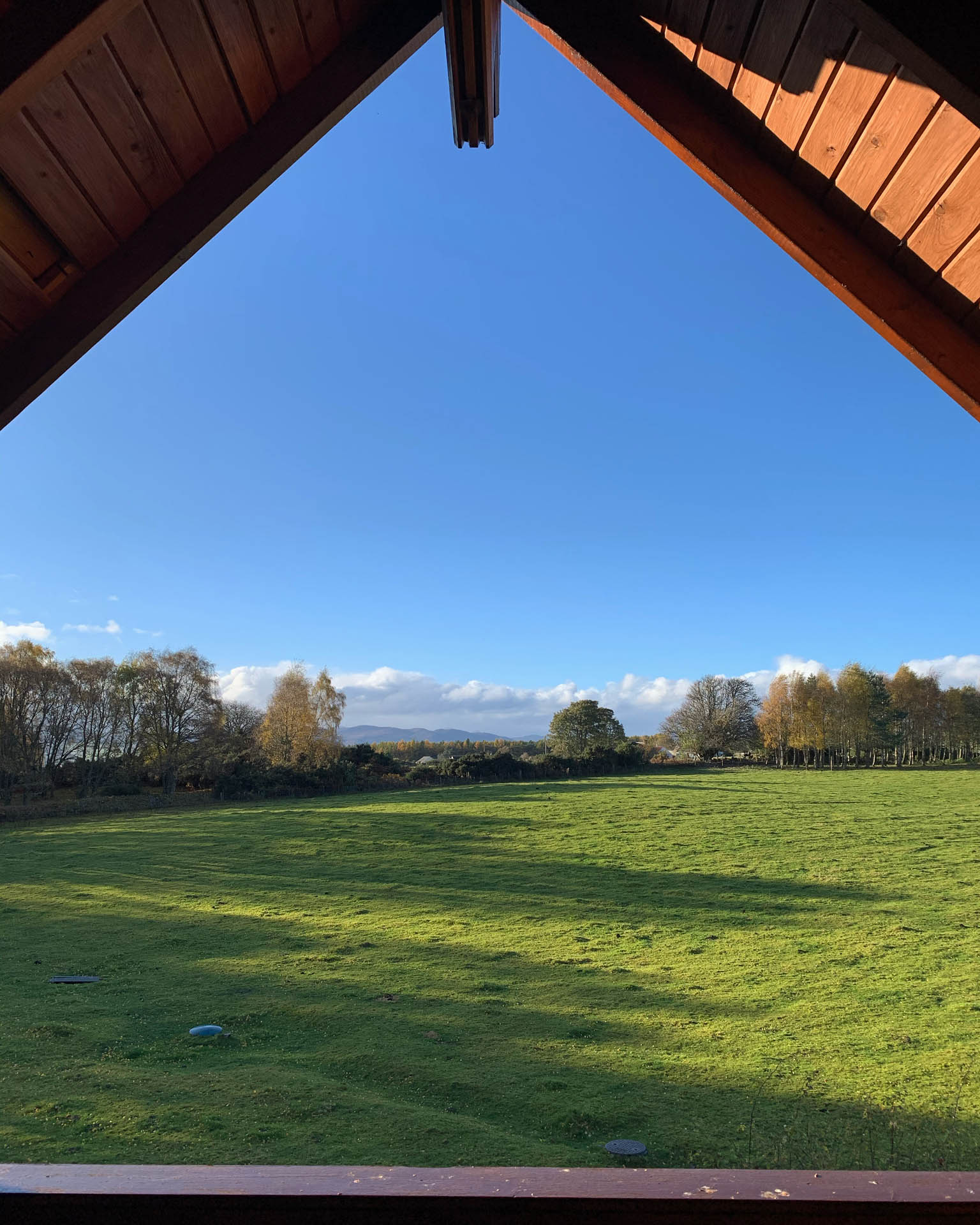
real log cabinsself catering log cabins viewromantic holiday log cabin at big sky lodges
 

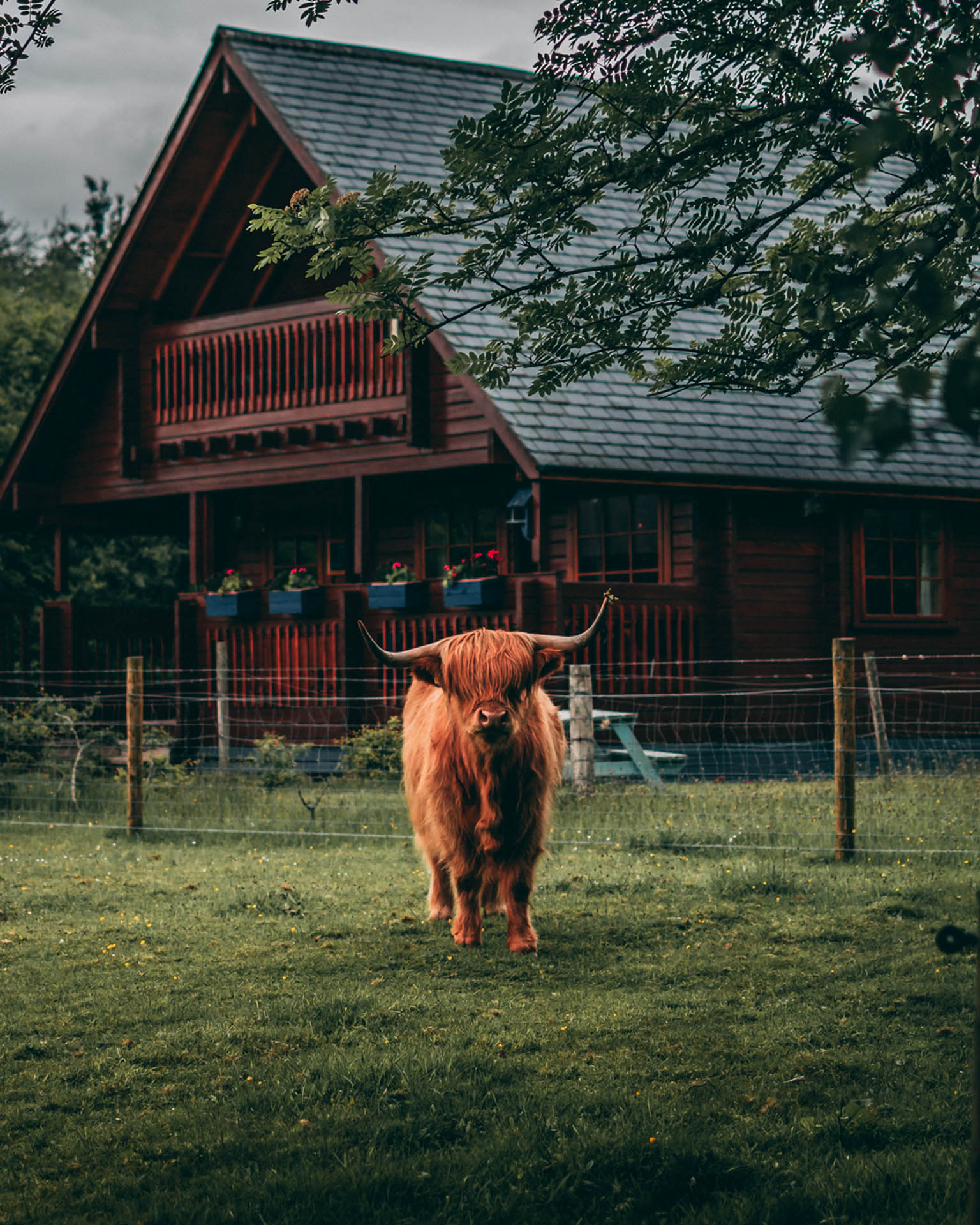
highland cow at big sky lodges
"book now"
Home
Reservations & Tariff
Contemporary Lodges
Traditional Lodges
Location Map
Directions
Sightseeing
Restaurants
Walking & cycling
Guests' comments
The Croft
Wildlife
Contact us
Privacy policy
motorhome hire


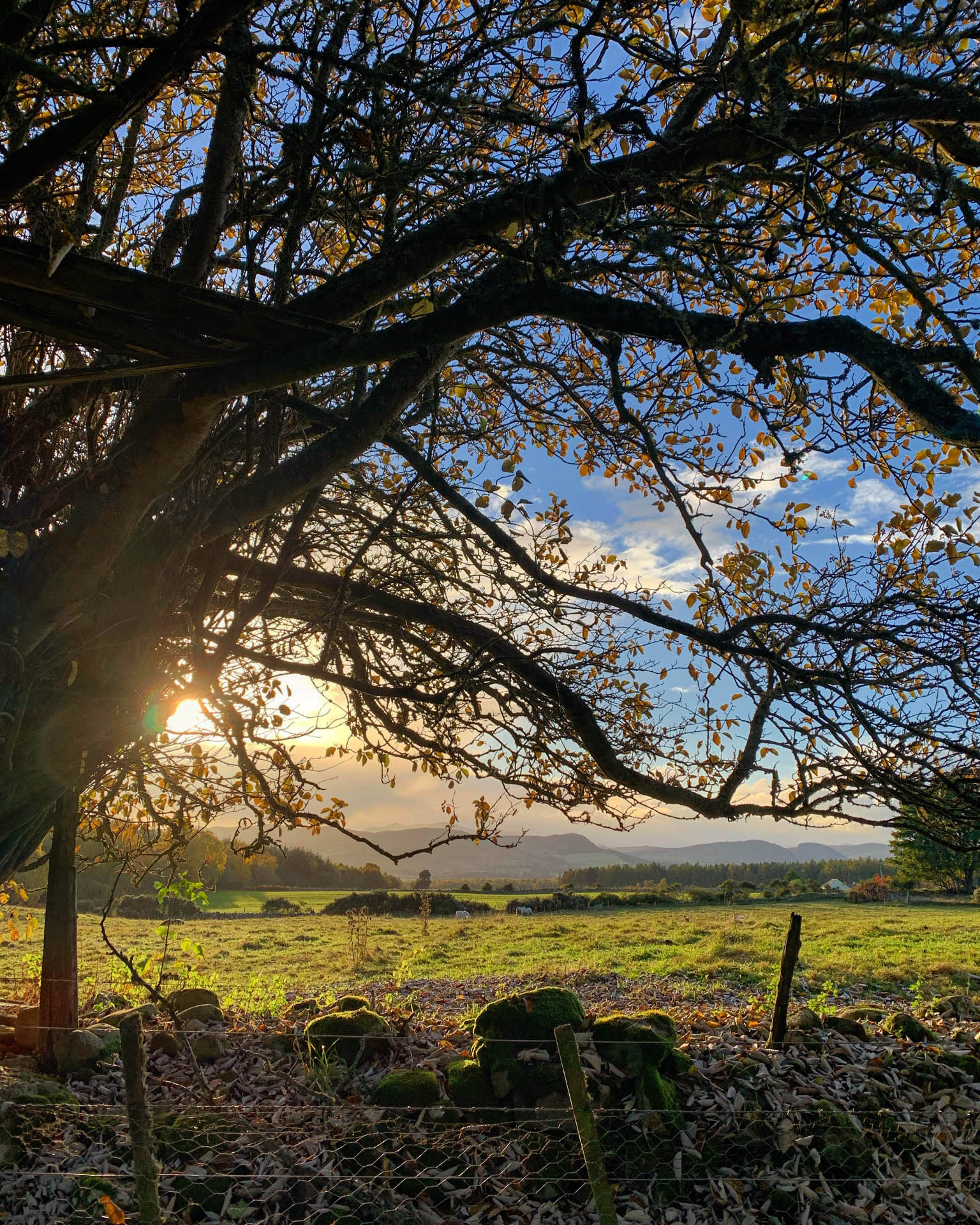
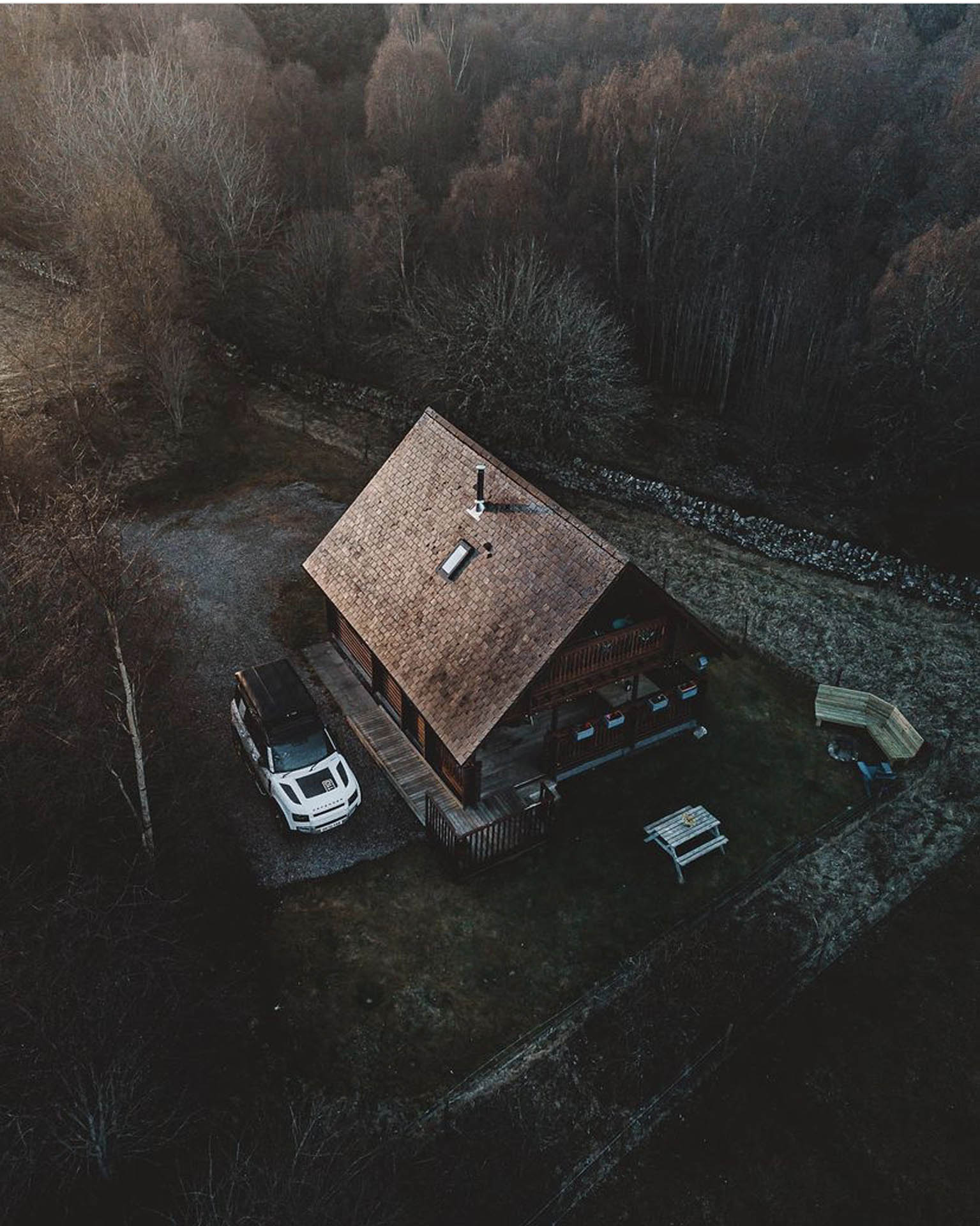
Low autumn light over log cabins

Holiday Log Cabins in Scotland
 self catering cottages in the Highlands,
near Inverness, from only £350/week


FREE

check availability, book and pay online

"Special offers"    
Winter short breaks available - from only £200

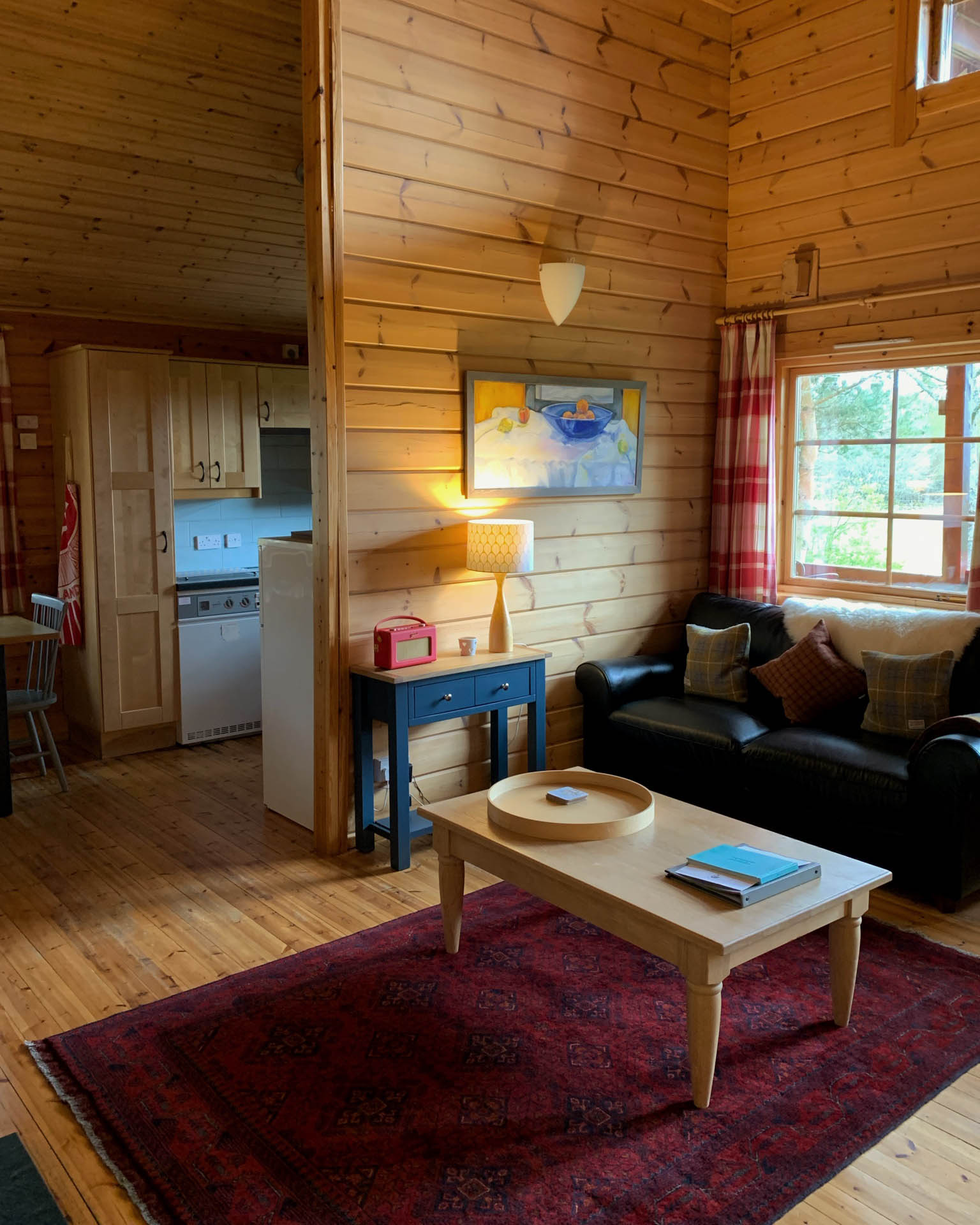
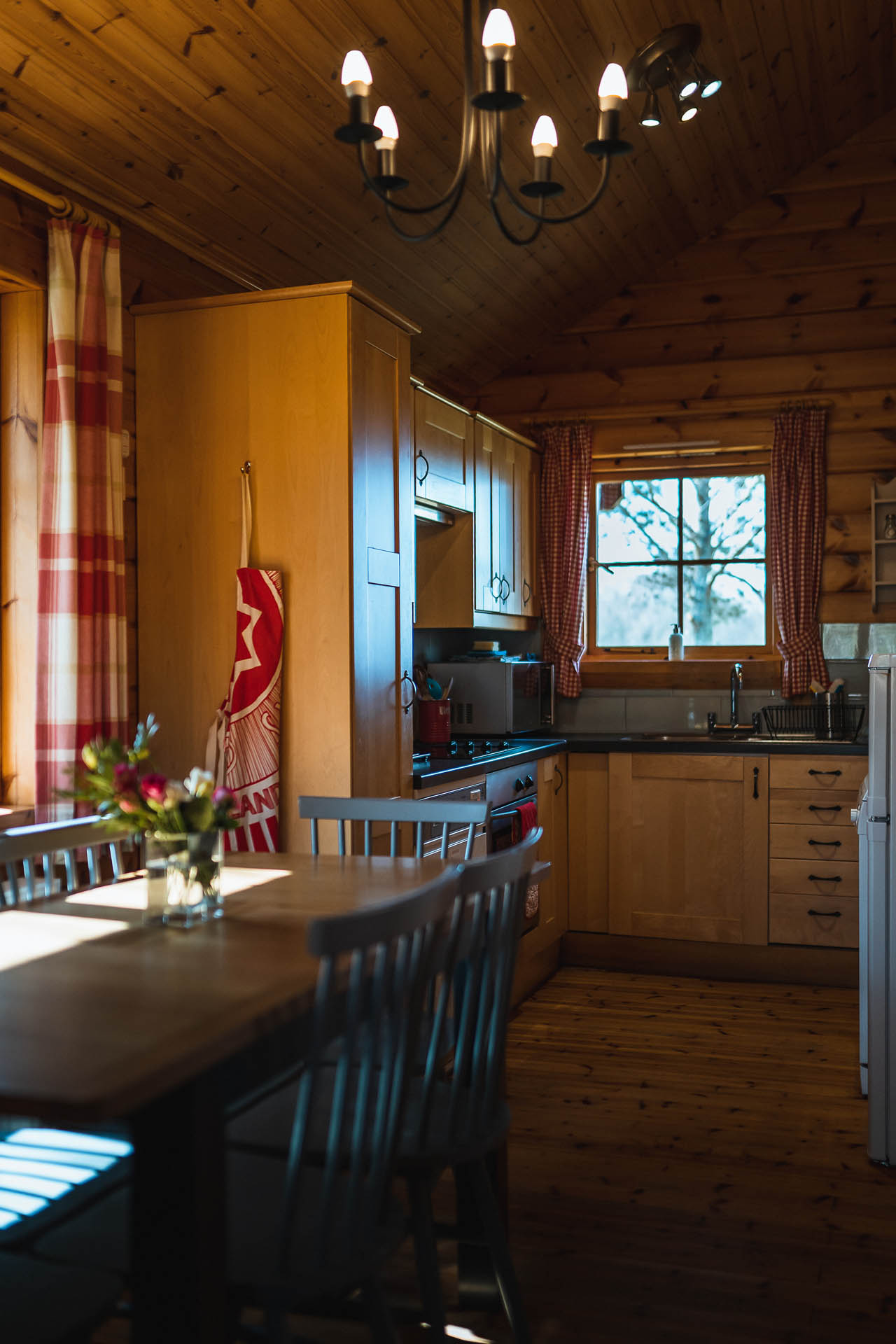
log cabin kitchen          Eagle Lodge living room
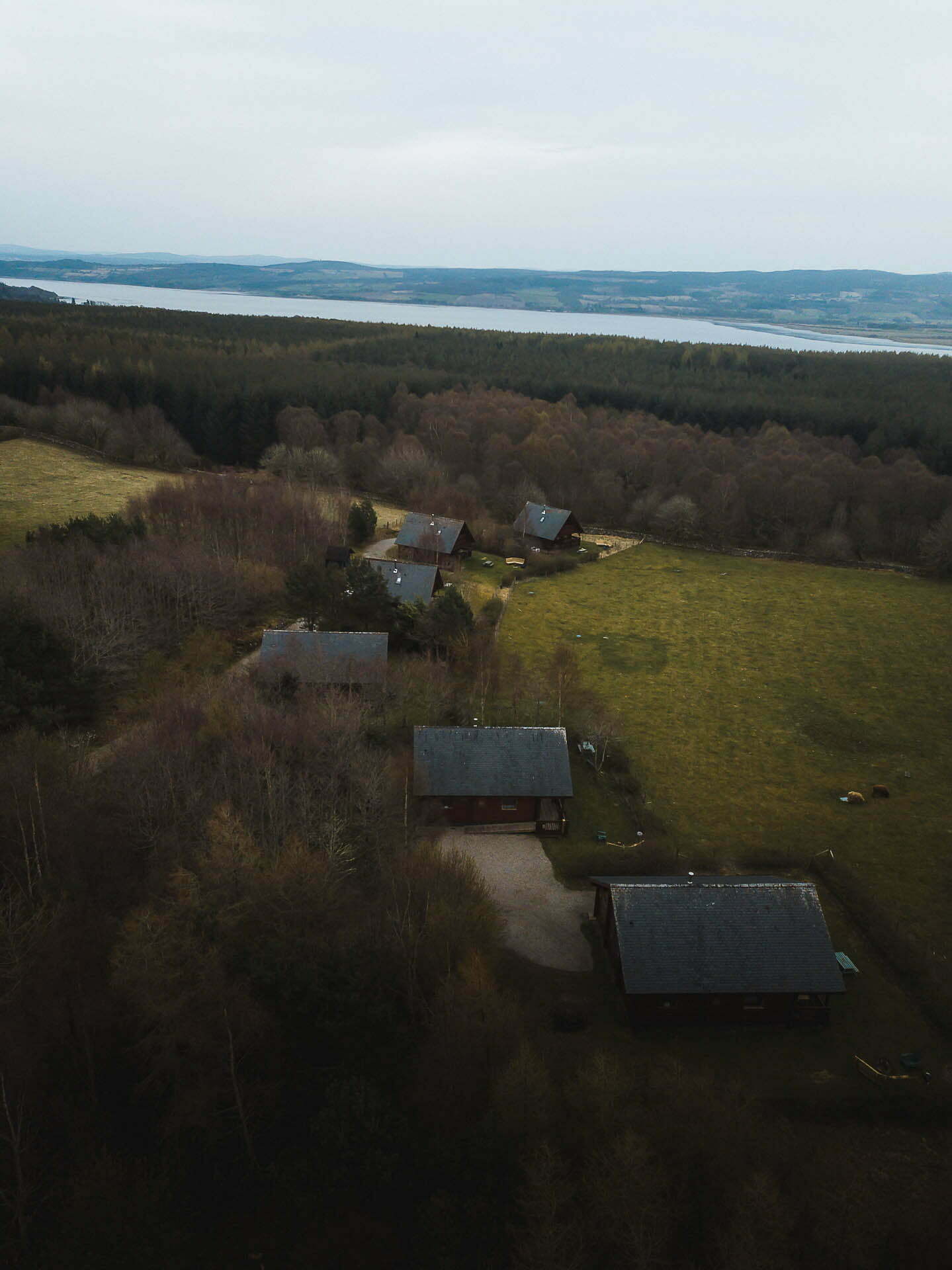
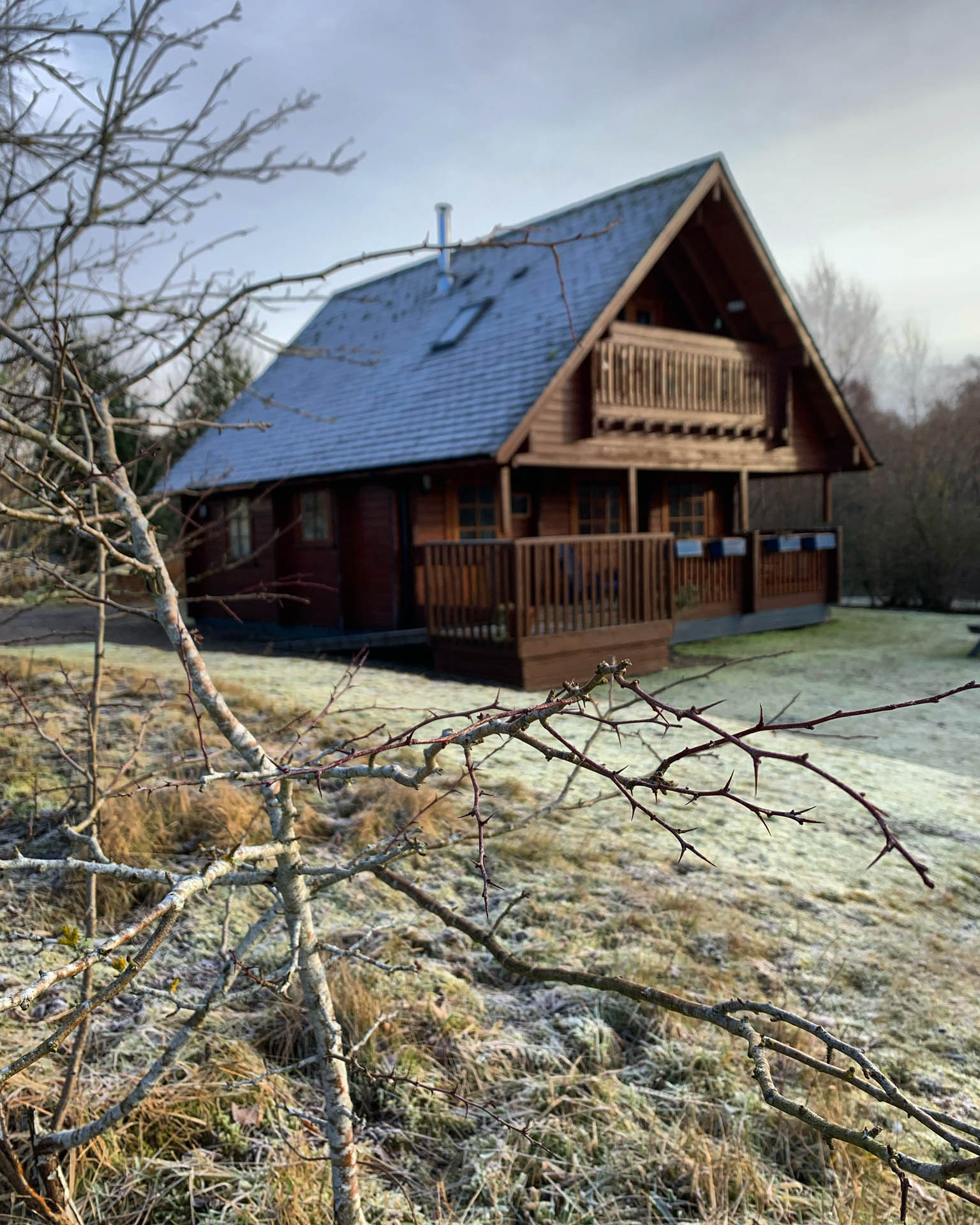
Six warm and cosy log cabins, sleeping up to six in each, surrounded by birch woods, and meadows  grazed by highland cattle, at Drynie Park, a peaceful and picturesque area 10 miles from Inverness, in the Highlands of Scotland.

There are two types of log cabins: contemporary or traditional, three of each.
Click below for info & more photos of the log cabins

Contemporary design:  Mountain, Wildcat & Rowan Lodge

Traditional design:  Piper's Wood, Red Kite & Eagle Lodge

Eagle Lodge living room  log fire  Eagle Lodge dining room & kitchen  

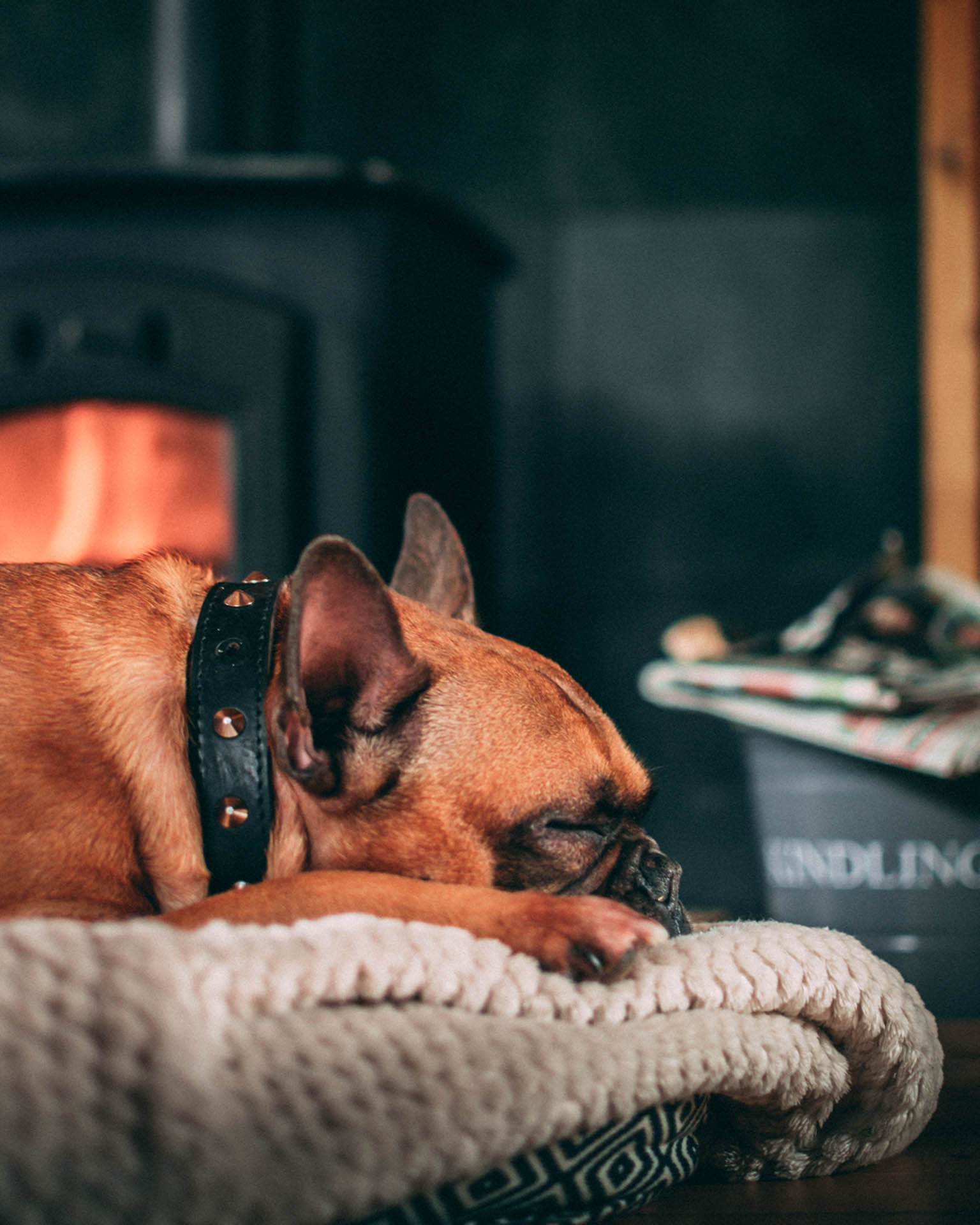
Wood burning stoves, solid pine floors, full central heating, wood lined rooms. The log cabins all have three bedrooms with two bathrooms. the kitchens are fully fitted and the large lounges have comfy and stylish furniture.
Big Sky Lodges
has over 17 acres of open fields and woodland, with accommodation in six luxurious holiday log cabins set on our croft, in the heart of the glorious Highlands of Scotland. Ideally situated just ten minutes from Inverness, with its international airport, and near to Loch Ness. On the very doorstep is some of the most spectacular scenery in Scotland.

log cabins scotland


The price includes:

  • central heating

  • electricity

  • linen & towels

  • logs for the stove

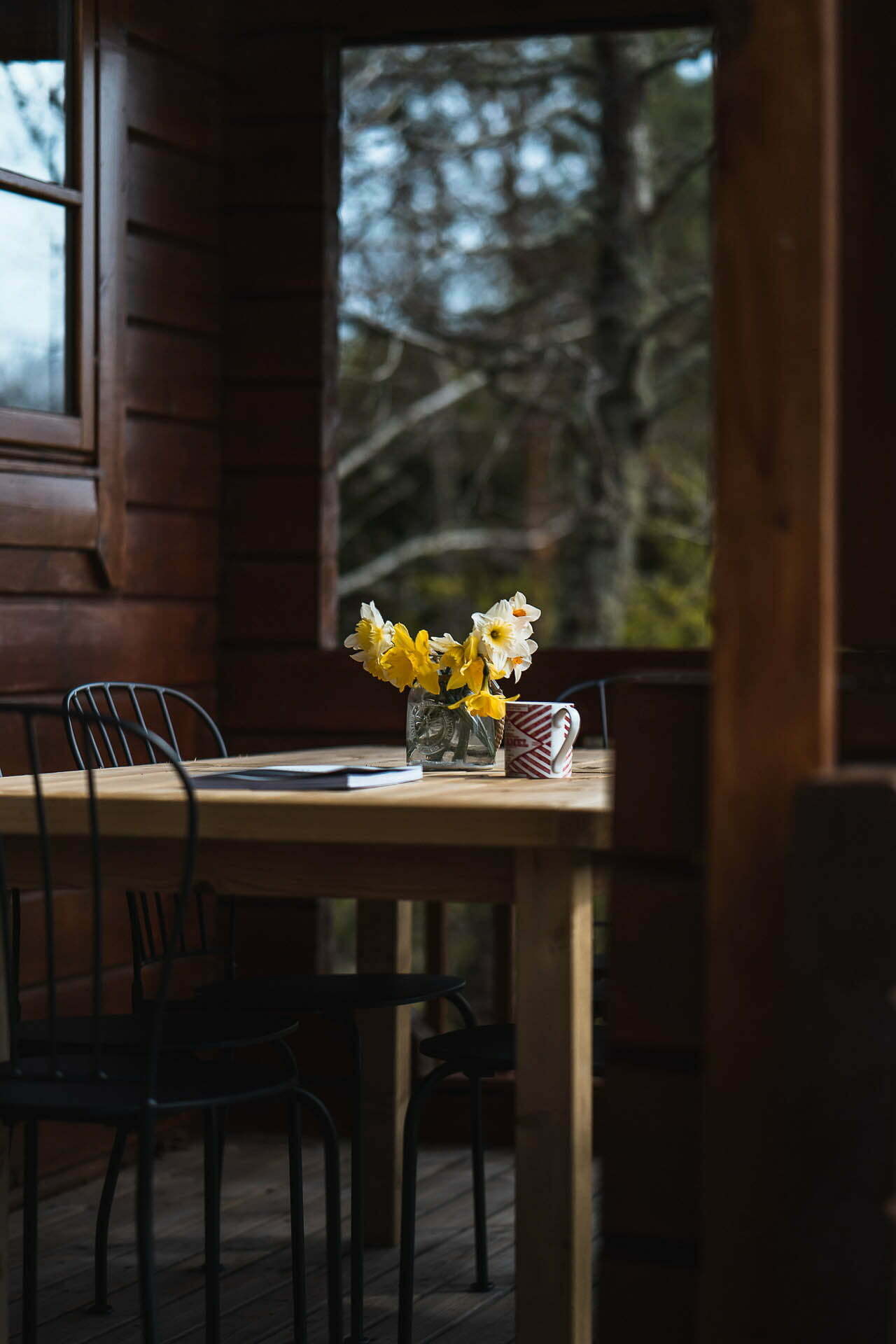
log cabin veranda


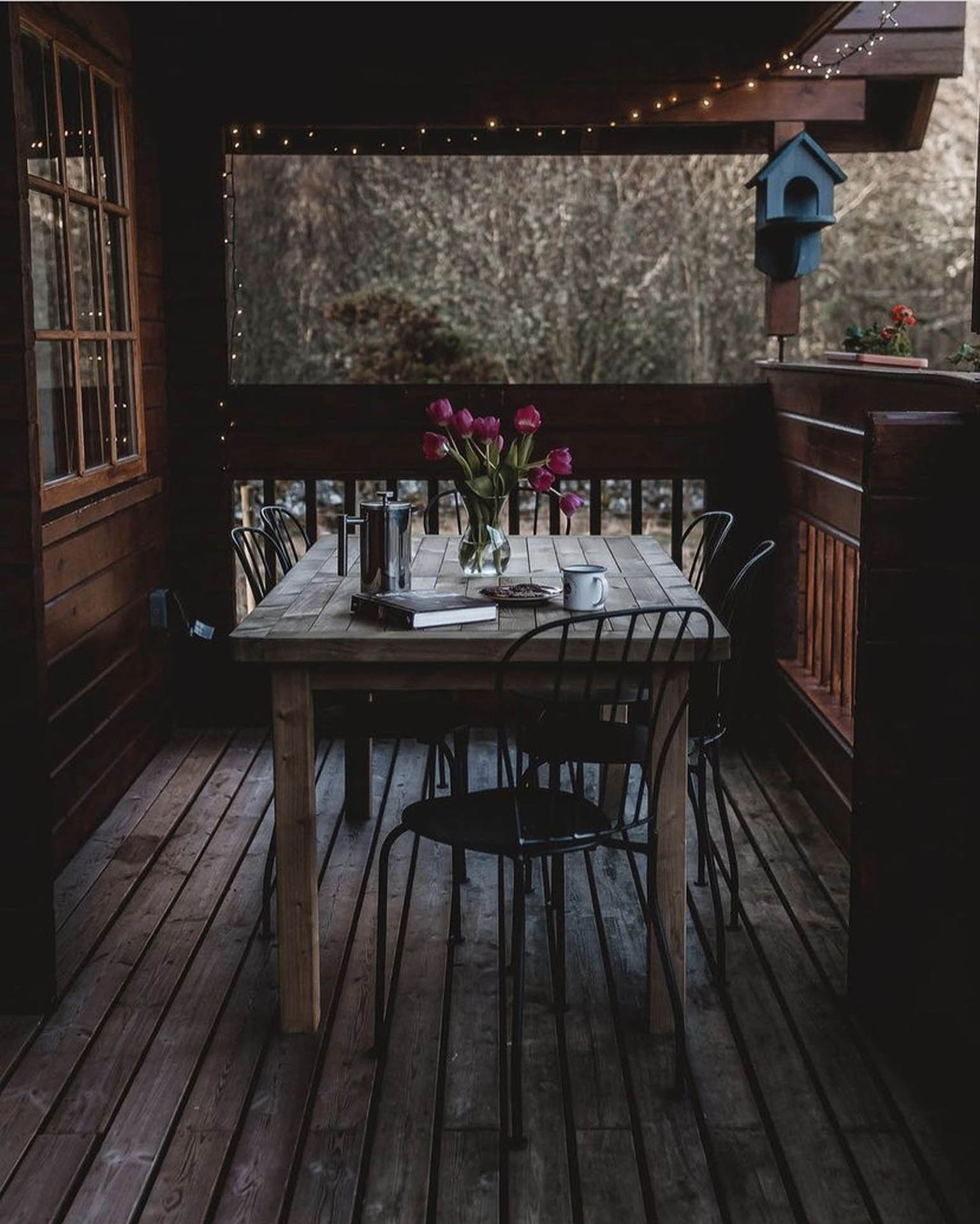
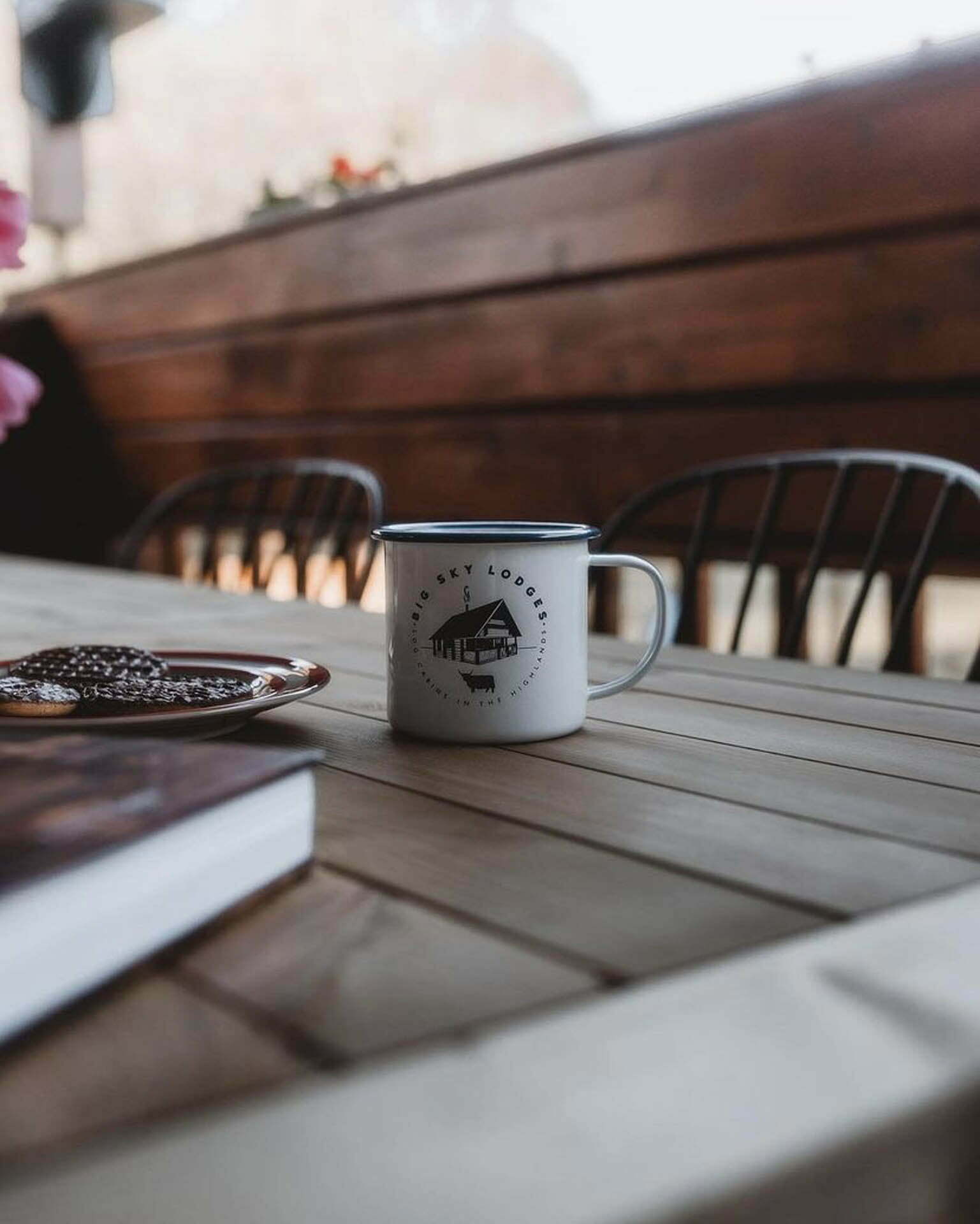
Outside you can sit or dine on the veranda (there are no midges here) and enjoy watching the sunset late into the evening.

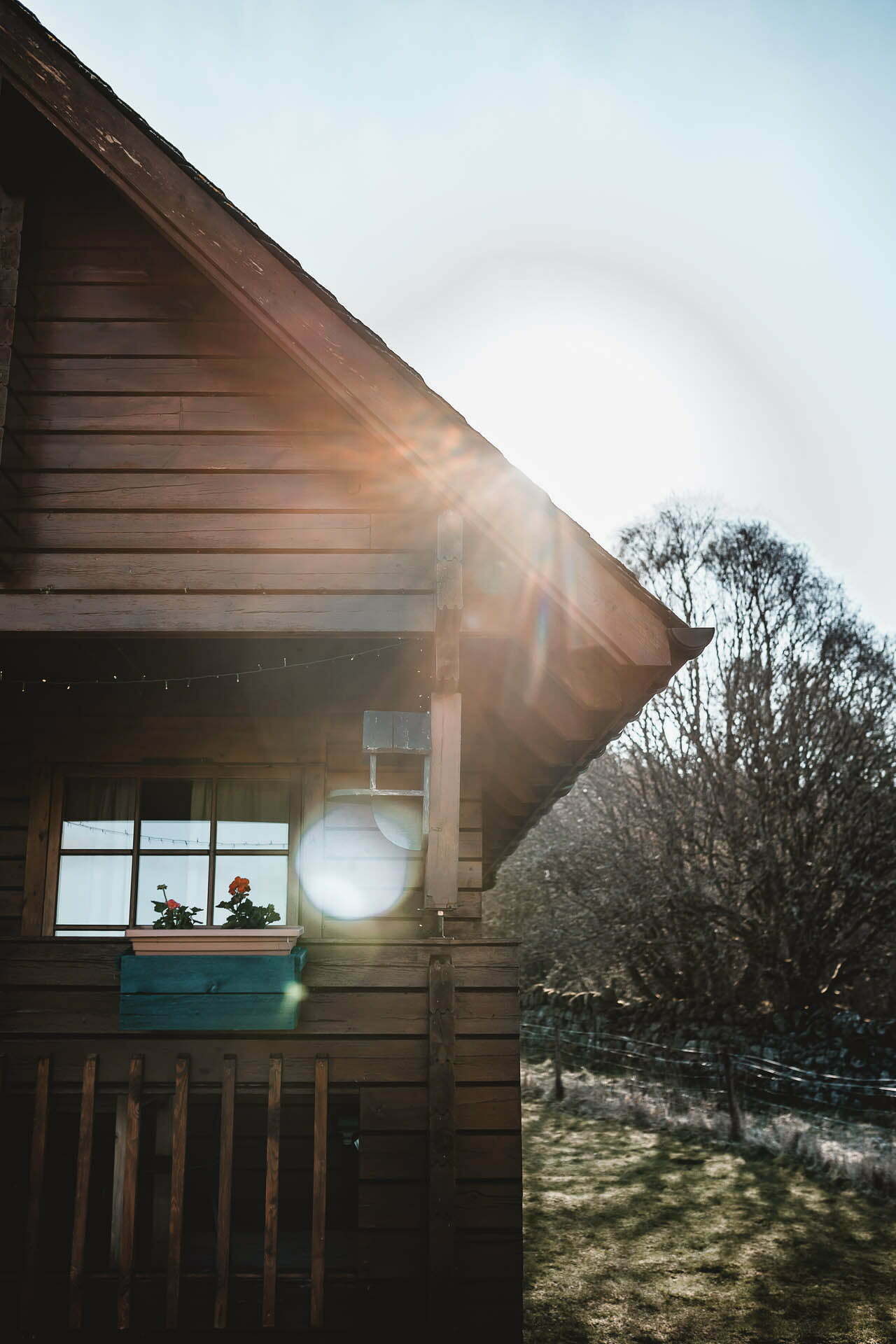
The self catering log cabins overlook meadows where highland cattle graze, and have views towards the mountains. The log cabins are built with the highest quality Finnish pine from Lapland, with the most modern comforts of home. Each log cabin is special, having been beautifully, tastefully and newly decorated throughout, with excellent fixtures and fittings providing a luxurious home from home.

COMMENTS FROM
OUR GUESTS

"What a fabulous Xmas - snow on Christmas morning. Superb log cabin. Many thanks for a wonderful time. Hope to see you again soon." Usher, Suffolk


Big Sky Lodges  – healthy, natural and restful
 
Locally
There are shops and a malt whisky distillery for everyday items at Muir of Ord, which is a short drive away, or can be reached by tracks from the log cabins where roe deer and red kites can often be seen, and more occasionally, pine martens and red squirrels.
Inverness with its shops, restaurants, theatre and museums is only ten miles away from the log cabins.
Golf, fishing and trips on Loch Ness can be arranged locally. Family and pet friendly.


"Lovely lodge. A real home from home. Fishing excellent. Saw plenty of wildlife. We will definitely be back." Watts


If you're looking for a log cabin in Scotland for your holidays, then you've come to the right place for a base from which to explore the Scottish HighlandsThe self catering log cabins at Big Sky Lodges are ideally situated for exploring this mountainous, peaty wilderness, surrounded by magnificent coastline.  From the fertile 'Flow Country' of North Scotland near Thurso and Wick to the expansive beaches, sea lochs and cliffs around Ullapool, Gairloch and the gateway to Skye - Mallaig and Kyle of Lochalsh all over the Highlands, whether it's Inverness, Glen Coe or Fort William (overshadowed by Ben Nevis - Britain's highest peak) and Loch Ness, our log cabins are an easy drive away, from scenic valleys clothed with woods to chilled rivers rushing from the snow-capped peaks of the  Mountains.

"Our honeymoon has been made very special by your cosy, very attractive lodge. The attention to detail is outstanding, the views are spectacular. Will definitely be back. Thank you."
The Deans
"Our stay in Scotland was made more pleasurable by the fantastic facilities provided in this gorgeous, cosy log cabin. Would highly recommend & look forward to returning in the future."
The Taylors


The flexibility and freedom-of-choice of self-catering properties makes them an ideal choice of accommodation, whether you're planning a romantic break with your partner, fun-filled downtime with the kids or an adventure holiday with friends.

A warm welcome at Big Sky Lodges
You're guaranteed a warm welcome at Big Sky Lodges

Exciting events, wonderful wildlife, amazing attractions and activities, fun for all the family, and of course, the greatest golf going: there's just so much to see and do in Scotland!

click here for Article about Inverness in The Times, June 2009

Scotland Factfile

• Scotland covers an area of just over 30,000 square miles, has a 2300-mile-long coastline and contains over 31,460 lochs. Of its 790 islands, 130 are inhabited. The highest point is the summit of Ben Nevis (4406 ft), while the bottom of Loch Morar is 1017 feet below sea level.
• The capital is Edinburgh (population nearly 450,000), and the largest city is Glasgow (over 600,000). While the number of people worldwide who claim Scottish descent is estimated at over 25 million, the population of the country is just 5 million – 1.3 percent of whom (roughly 66,000 people) speak Gaelic.
• Scotland is a constituent territory of the United Kingdom of Great Britain and Northern Ireland. The head of state is Queen Elizabeth II. It is a parliamentary democracy whose sovereign parliament sits at Westminster in London, with elements of government business devolved to the separately elected Scottish Parliament which sits in Edinburgh.
• Whisky accounts for 13 percent of Scotland's exports and is worth over £2 billion annually, but Scotland also manufactures over 30 percent of Europe's personal computers and 65 percent of Europe's ATMs.
Stuck in the far northwest corner of Europe, Scotland is remote, but it's not isolated. The inspiring emptiness of the wild northwest coast lies barely a couple of hours from Edinburgh and Glasgow, two of Britain's most dense and intriguing urban centres. Ancient ties to Ireland, Scandinavia, France and the Netherlands mean that – compared with the English at least – Scots are generally enthusiastic about the European Union, which has poured money into infrastructure and cultural projects, particularly in the Highlands and Islands.
You don't have to travel far north of the Glasgow– Edinburgh axis to find the first hints of Highland landscape, a divide marked by the Highland Boundary Fault which cuts across central Scotland. The lochs, hills and wooded glens of the Trossachs and Loch Lomond are most easily reached, and as a consequence busier than other parts. Further north, Perthshire and the Grampian hills of Angus and Deeside show the Scottish countryside at its richest, with colourful woodlands and long glens rising up to distinctive mountain peaks. South of Inverness the mighty Cairngorm massif offers hints of the raw wilderness Scotland can still provide, an aspect of the country which is at its finest in the lonely north and western Highlands. To get to the far north you'll have to cross the Great Glen, an ancient geological fissure which cuts right across the country from Ben Nevis to Loch Ness, a moody stretch of water rather choked with tourists hoping for a glimpse of its monster. Scotland's most memorable scenery is to be found on the jagged west coast, stretching from Argyll all the way north to Wester Ross and the looming hills of Assynt. Not all of central and northern Scotland is rugged Highlands, however, with the east coast in particular mixing fertile farmland with pretty stone-built fishing villages and golf courses, most notably at the prosperous university town of St Andrews, the spiritual home of the game. Elsewhere the whisky trail of Speyside and the castles and Pictish stones of the northeast provide plenty of scope for exploration off the beaten track, while in the southern part of the country, the rolling hills and ruined abbeys of the Borders offer a refreshingly unaffected vision of rural Scotland.

The Great Glen

The Great Glen, a major geological faultline cutting diagonally across the Highlands from Fort William to Inverness, is the defining geographic feature of the north of Scotland. A huge rift valley was formed when the northwestern and southeastern sides of the fault slid in opposite directions for more than sixty miles, while the present landscape was shaped by glaciers that retreated only around 8000 BC. The glen is impressive more for its sheer scale than its beauty, but the imposing barrier of loch and mountain means that no one can travel into the northern Highlands without passing through it. With the two major service centres of the Highlands at either end, it makes an obvious and rewarding route between the west and east coasts.
Of the Great Glen's four elongated lochs, the most famous is Loch Ness, home to the mythical monster; lochs Oich, Lochy and Linnhe (the last of these a sea loch) are less renowned though no less attractive. All four are linked by the Caledonian Canal. The southwestern end of the Great Glen is dominated by the town of Fort William, the self proclaimed "Outdoor Capital of the UK". Situated at the heart of the Lochaber area, it is a useful base with plenty of places to stay and an excellent hub for accessing a host of adventure sports. While the town itself is not one of the more charming places you'll encounter in Scotland, the surrounding countryside is a magnificent blend of rugged mountain terrain and tranquil sea loch. Dominating the scene to the south is Ben Nevis, Britain's highest peak, best approached from scenic Glen Nevis. The most famous glen of all, Glen Coe, lies on the main A82 road half an hour's drive south of Fort William, the two separated by the coastal inlet of Loch Leven. Nowadays the whole area is unashamedly given over to tourism, with Fort William swamped by bus tours throughout the summer, but, as ever in the Highlands, within a thirty-minute drive you can be totally alone.
At the northeastern end of the Great Glen is the capital of the Highlands, Inverness, a pleasant, ever expanding city with some excellent places to eat but used most often as a springboard to remoter areas further north. Inevitably, most transport links to the northern Highlands, including Ullapool, Thurso and the Orkney and Shetland islands, pass through Inverness.
The region has a turbulent and bloody history. Founded in 1655 and named in honour of William III, Fort William was successfully held by government troops during both of the Jacobite risings; the country to the southwest is inextricably associated with Bonnie Prince Charlie's flight after Culloden. Glen Coe is another historic site with a violent past, renowned as much for the infamous massacre of 1692 as for its magnificent scenery.


The weather

"There's no such thing as bad weather, only inadequate clothing", the poet laureate Ted Hughes is alleged to have said when asked why he liked holidaying in Scotland. For those who don't share Hughes' cavalier attitude to the elements, the weather is probably the single biggest factor to put you off visiting Scotland. It's not so much that the weather's always bad, it's just that it is unpredictable: you could enjoy the most fabulous week of sunshine in early April and suffer a week of low-lying fog and drizzle in August. The saving grace is that even if the weather's not necessarily good, it's generally interesting, exhilarating, dramatic and certainly photogenic. Then, the sun finally coming out is truly worth the wait. A week spent in a landscape swathed in thick mist can be transformed when the clouds lift to reveal a majestic mountain range or a hidden group of islands far offshore.

When to go


The summer months of June, July and August are regarded as high season, with local school holidays making July and early August the busiest period. Days are generally mild or warm and, most importantly, long, with daylight lingering until 9pm or later. August in Edinburgh is Festival time, which dominates everything in the city and means accommodation is hard to come by. Elsewhere, events such as Highland Games, folk festivals or sporting events – most of which take place in the summer months – can tie up accommodation, though normally only in a fairly concentrated local area.
Commonly, May and September throw up weather every bit as good as, if not better than, the months of high summer. You're less likely to encounter crowds or struggle to find somewhere to stay, and the mild temperatures combined with the changing colours of nature mean both are great for outdoor activities, particularly hiking. Note, however, that September is prime stalking season for deer, which can disrupt access over parts of the Highlands if you're hiking, fishing or riding a mountain bike.
The spring and autumn months of April and October bracket the season for many parts of rural Scotland. A large number of attractions, tourist offices and guesthouses often open for business on Easter weekend and shut up shop after the school half-term in mid-October. If places do stay open through the winter it's normally with reduced opening hours; this is the best time to pick up special offers at Big Sky Lodges. Note too that in more remote spots public transport will often operate on a reduced winter timetable.
Winter days, from November through to March, occasionally crisp and bright, are more often cold, gloomy and all too brief, although Hogmanay and New Year has traditionally been a time to visit Scotland for partying and warm hospitality – something which improves as the weather gets colder. While even tourist hotspots such as Edinburgh are notably quieter during winter, a fall of snow in the Highlands will prompt plenty of activity around the ski resorts.


Home | Reservations & Tariff | Contemporary Lodges | Traditional Lodges | Location Map | Directions | Sightseeing | Restaurants | Walking & cycling | Guests' comments | The Croft | Wildlife | Contact us | Privacy policy

LINKS

site map

 Hotel Furniture Hill Cross specialise in providing high quality hotel furniture.


Hit Counter